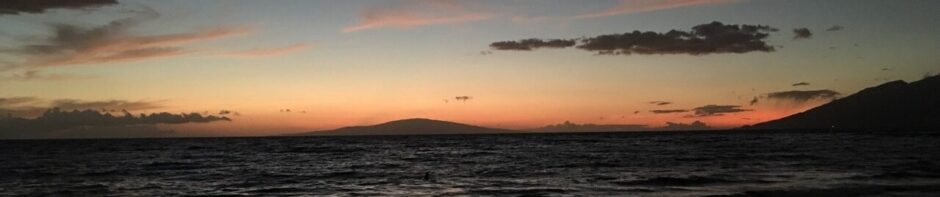
This is Pollinator Week, and though we owe a huge debt to other pollinators like butterflies, moths, bats, and wasps, today is devoted to bees.
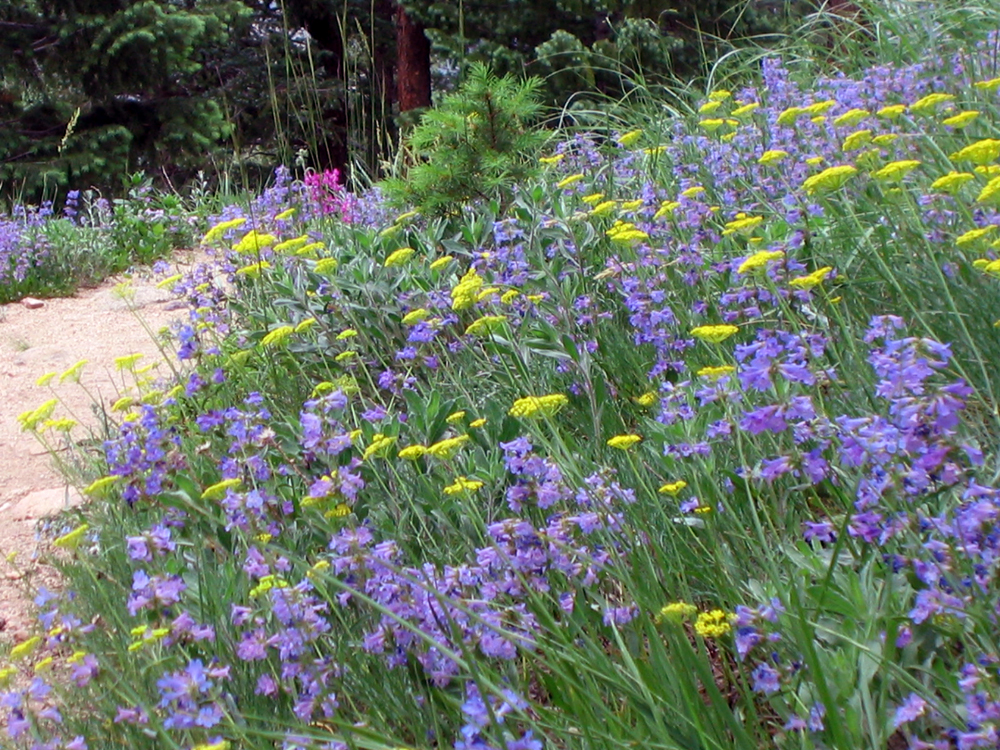
I took a time-out with bees one morning recently, hauling my laptop to Realization Point at the top of Flagstaff and sitting on the ground with my back against a ponderosa for a few hours. I thought I had gone up the mountain for the wildflower show, and indeed the carpet of blue mist penstemon (Penstemon virens) was stunning. I have this to say about four feet of snow in April: it makes for splendid wildflowers in June!
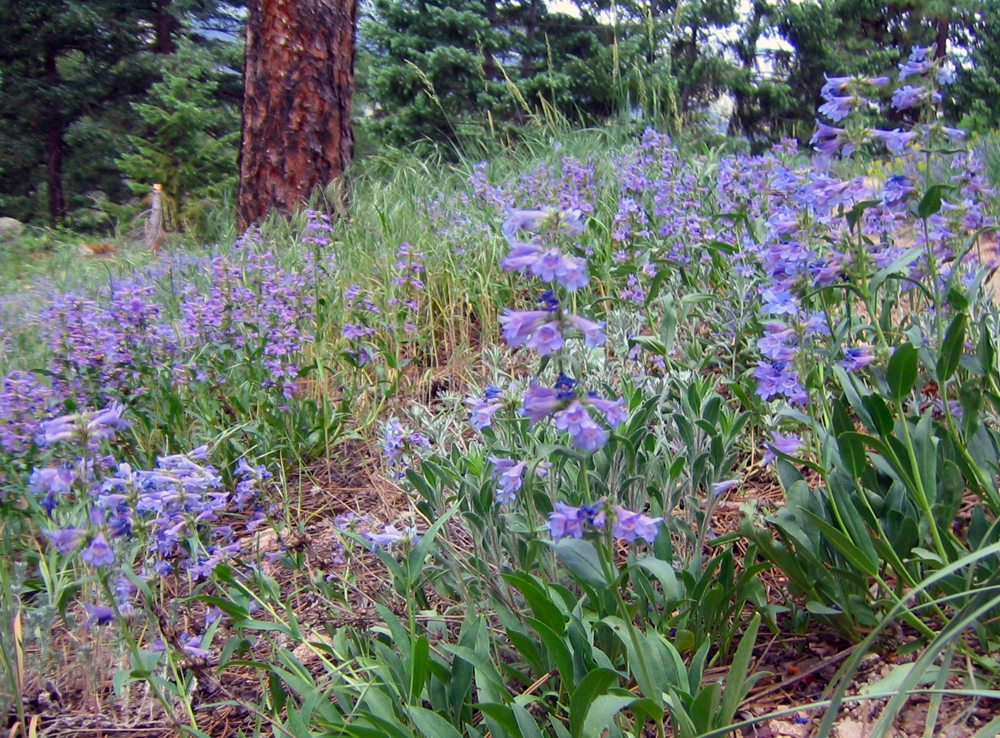
But the piece I’d forgotten about was the sound. A hum of bees across the flowered hillside, steady, low, and pulsing like a wafting veil of sound.
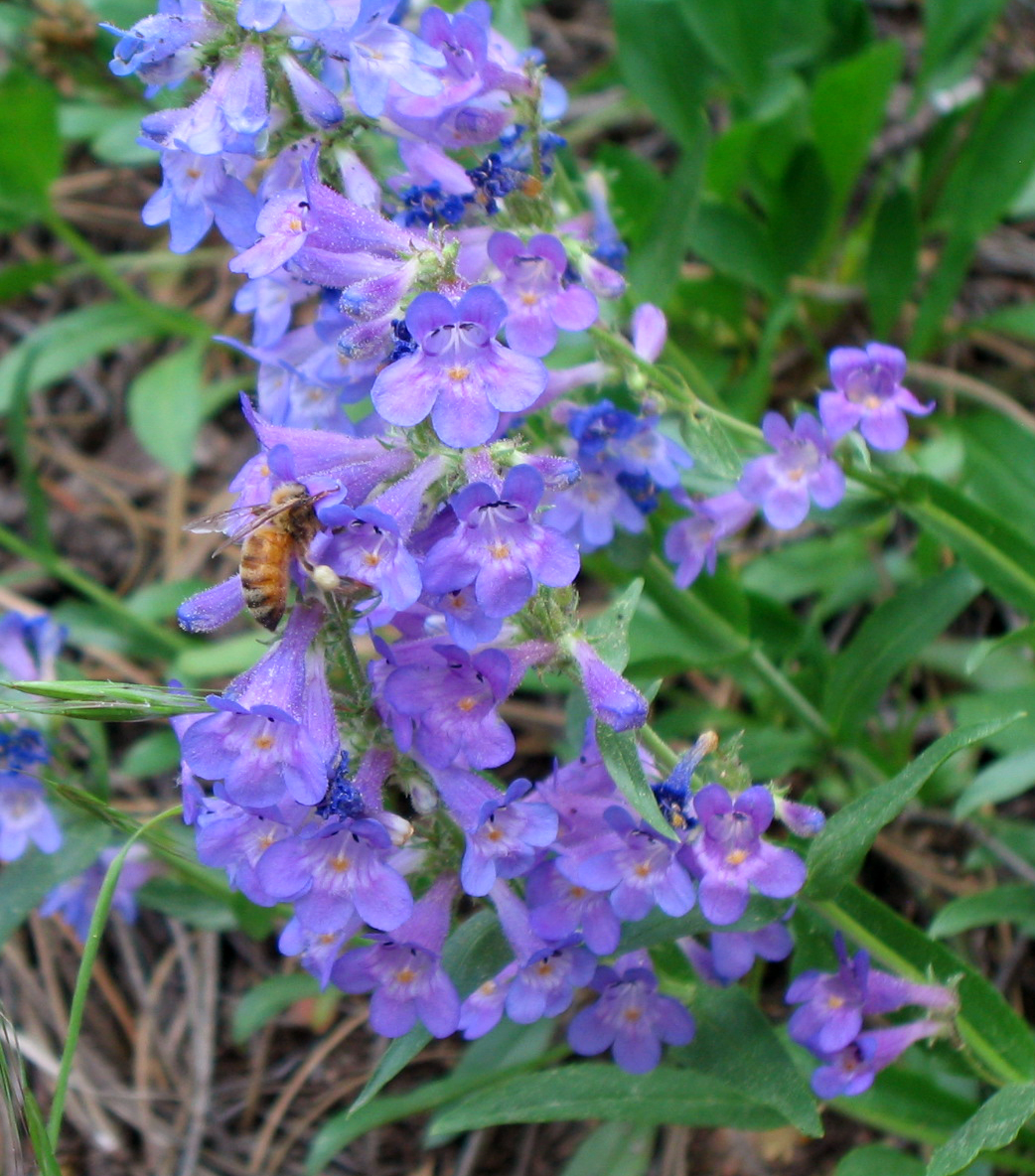
Bees pollinate a third of our crops. They keep the flowers blooming. They’re the matchmakers for flowers, bringing together the pollen of one flower to the ovule of the other so that seeds can grow. But this is matchmaking with a special intensity; the bee approaches each flower with the absorption of a lover. After six summery weeks of visiting flowers, she will wear herself out and die.
This is the natural lifespan of the worker bee. What is unnatural is the bee die-off that happening around the country and the world. We have already lost a huge proportion of bee populations, and the class of pesticides called neonicotinoids is being increasingly implicated (by scientific studies) in the bee die-off. Just last month Europe banned neonicotinoid use, a move that the EPA is refusing to make.
A guest column in the Boulder Daily Camera this week by Dan Bench, a local beekeeper, calls attention to the pesticides dumped on Boulder lawns. (Pesticides? In Boulder? Yes, truckloads of them.)
What can you do? he asks:
Minimize pesticide use and know what chemicals you are using. The active ingredients in any pesticide are listed on the label. The neonic active ingredients you should be concerned about are imidacloprid, clothianidin, thiomethoxam and dinotefuran. If you choose not to purchase insecticides containing these active ingredients, inform the seller of your refusal and suggest they disclose the consequences of use to their customers. You may wish to avoid any tree company that advertises or uses insecticides containing neonics.
That means most of the tree companies in Boulder, and all of those operating in my neighborhood.
He explains why these pesticides “are such ecologically insidious and effective killers”:
Even something as seemingly harmless as a treated seed is lethal. As treated seeds develop, systemic chemicals spread throughout the plant tissues—including flowers, nectar, and pollen. Plant-exuded water drops from which insects drink, as well nectar and pollen, spell death to visiting insects.
The pesticides harm the land and water not just now but also for many years down the road:
Applied to turf grass, these active ingredients can remain in the soil for years. These chemicals are water soluble; they travel with the ground water, and can enter any plant they contact.
As Dan points out, it is not just bees that are in danger and are declining fast. Birds, frogs, bats, earthworms, and soil microbes “are damaged or killed in and around areas where neonics have been applied.” Dan finishes:
More than a half-century ago, Rachel Carson in her seminal book Silent Spring warned that pesticides were decimating bird populations, silencing the twitter of avian life. We are on the brink of another even more devastating silent spring in which the buzz of the bee is hushed along with the birdsong.
Minimize your pesticide use. Cut it out entirely if you can. Definitely don’t use neonics. And be willing to talk to your neighbors about why pesticides are so dangerous.
Help keep that veil of sound humming over the field of wildflowers. Help keep food coming to your neighborhood, and to your children’s neighborhoods too. The decisions we make right here, right now, will affect their lives for years to come.

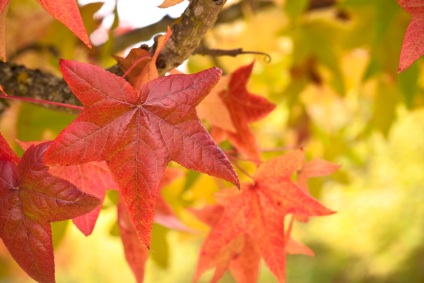 The sky was bright gray that afternoon in Oakland, California, as I walked my aging dog up our steep and leafy street. I was in my late twenties and in a hurry to get back to my desk. My dog was sniffing slowly, as she always did, but today, instead of growing impatient, I simply looked around. The tree under which we had paused was magnificent, reaching toward the sky, its leaves five-pointed like a star. I loved how those leaves turned dazzling red in autumn, and I’d learned the tree was called liquidambar. Two rows of them marched around the crown of our street like gemstones.
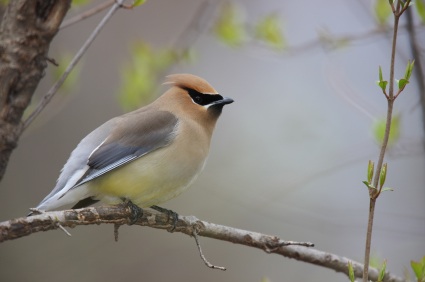 The “fee-fee-fee” continued, so I returned home, dug out some heavy old binoculars, and headed back to the top of the street. Struggling to focus the glasses against the gray sky, I at last spotted a golden-brown bird with a little crest and a short tail, its eyes hidden under a black mask. Then another bird, and another. A whole flock of them! Who knew so many birds were carrying on their lives right overhead? Paging through a field guide lying around the house, I came at last upon the cedar waxwing and was surprised at the rush of pleasure—a name to go with the bird! I felt like I’d discovered Antarctica.
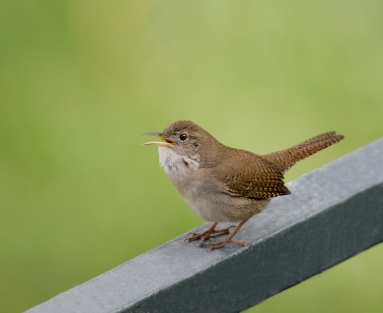 Nearly thirty years have passed since I first identified the cedar waxwings. Now I live in Boulder, Colorado, and I spend each April and May looking for returning bluebirds and wood ducks, bright yellow warblers and diminutive house wrens. I love the wrens especially, the male’s many-phrased rhapsody spilling from nearby trees. As the air warms and he gets down to the business of raising a family, his song will fill the air every morning; it will define every summer afternoon and evening. He sings so long and so hard that I wonder when he finds time to eat, let alone bring food to his brooding mate.
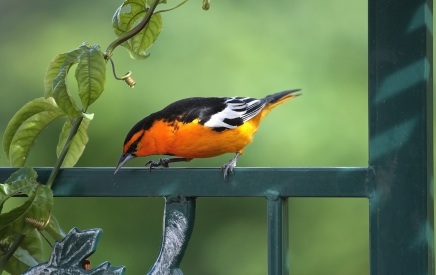 Last year the orioles visited each morning shortly after dawn, and stirred from my dozing by their hoarse calls, I would stumble out of bed and lurch to the patio half-dressed to hang the feeder in its tree. (We take it in at night to discourage raccoons.) The male would zoom down the narrow channel between our house and the next and perch nervously in the tree above me, landing on the feeder the instant I’d retreated inside.
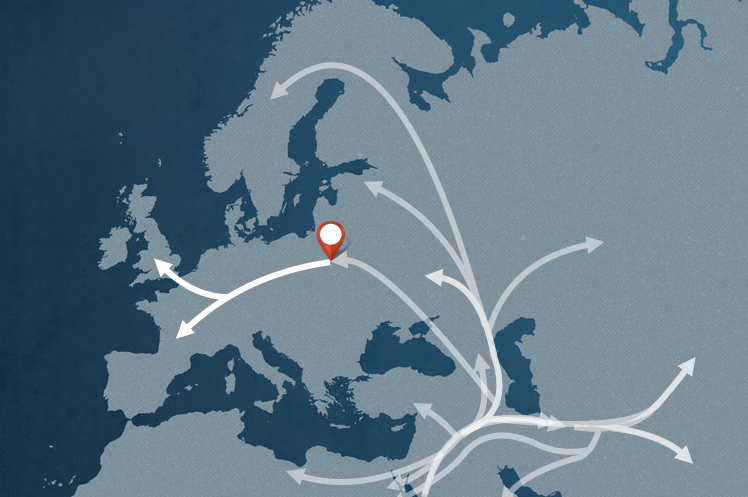
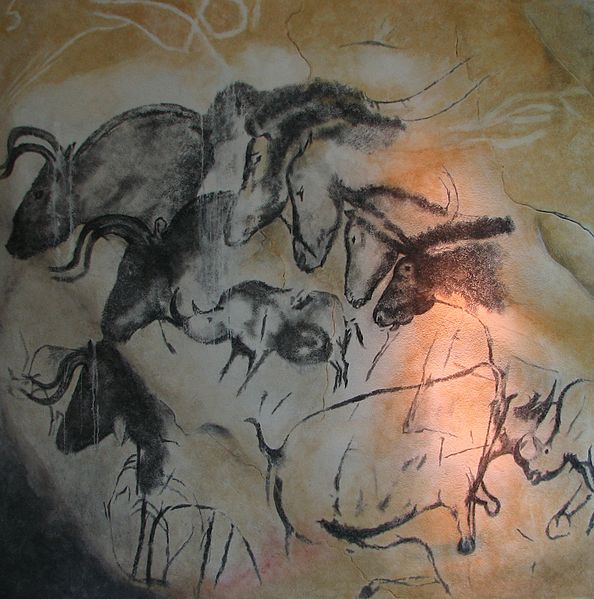

 I am always curious about my ancestors, even though I often find myself wishing that the ancestors of Western cultures had given all of us a different set of Earth values—more appreciation for the web of Earth-life, more emphasis on loving other beings than on using them. So, when I was writing the “Ancestors” chapter in
